
AI Assistant - Duxiaoxiao
China’s first interactive AI virtual human assistant.
Who Is Duxiaoxiao
Duxiaoxiao is China's first interactive AI virtual human assistant, an avatar-style AI experience. Released in September 2020, it was Baidu's attempt to explore search innovation and the future of human-computer interaction. Built on Baidu Brain's natural language, speech, multimodal, and related AI technologies, Duxiaoxiao provided users with face-to-face-style intelligent search, question answering, companionship, and character progression features through the Duxiaoxiao App and Baidu App. Duxiaoxiao also served as Baidu's virtual idol, supporting Baidu's brand communication and cross-brand marketing partnerships.
Why Explore an AI Virtual Human Assistant
As an early leader in search and AI in China, Baidu has long focused on connecting people with information and services more effectively. Around 2020, China's mobile internet market had moved from rapid growth into a mature, saturated phase, and concepts such as the metaverse were gaining momentum. Baidu's leadership wanted to take a bold step in exploring a new model for how people discover, ask for, and interact with information. Baidu App, one of Baidu's most important consumer products and a massive entry point for search and information access, was the ideal testbed for this exploration.
What will the future connection between people and information look like? Looking back at the history of technology, human-computer interaction has consistently moved from "humans adapting to machines" toward "machines adapting to humans." Future human-computer interaction should therefore require less learning and feel more natural and instinctive. Many films have already imagined this future for us: an always-available, highly capable personal AI assistant, such as J.A.R.V.I.S. or Joi.
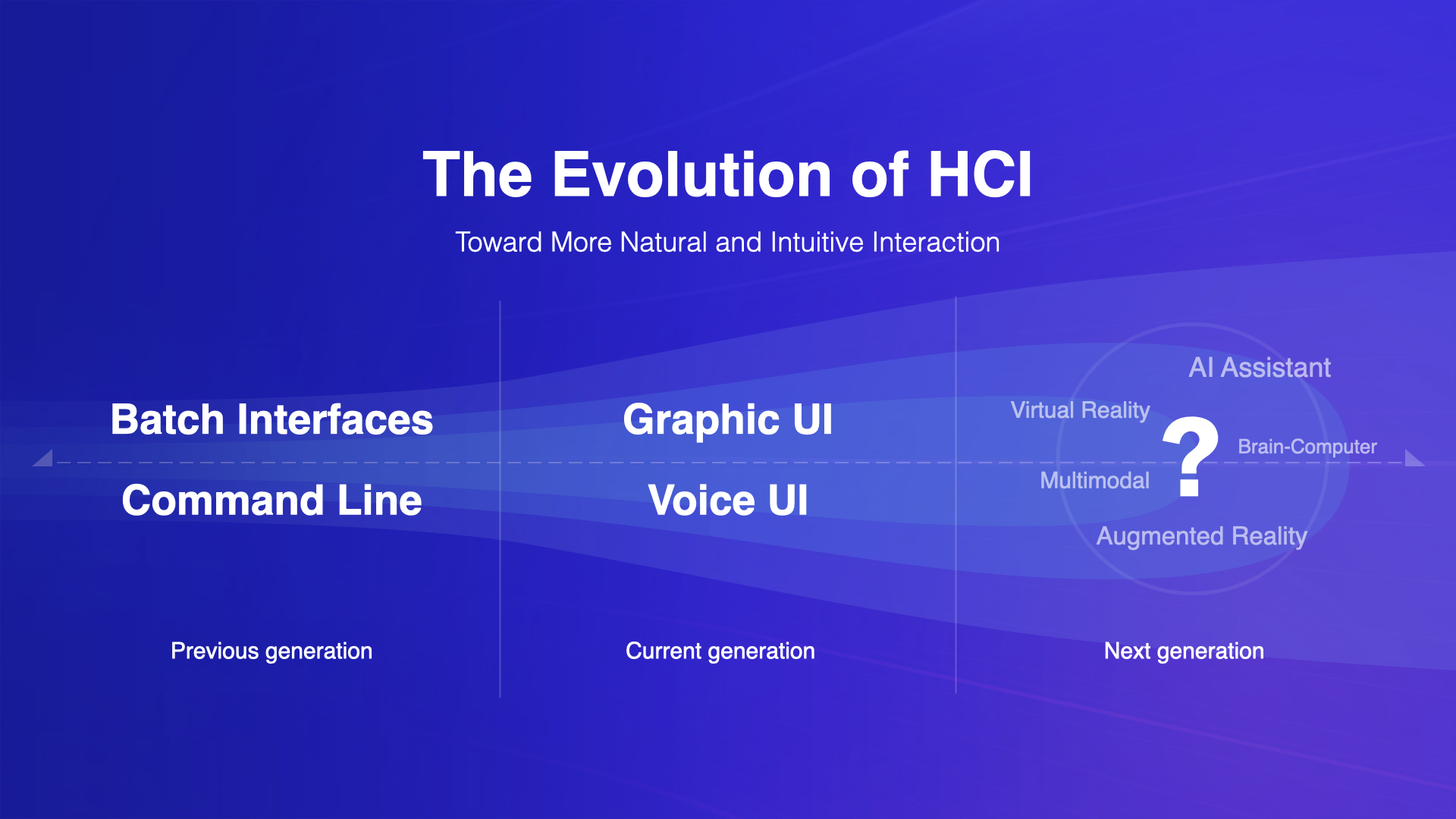
But imagination can be unconstrained; feasibility cannot. In 2020, LLMs were not yet mainstream. AI conversation was still mainly based on BERT-style models, with weak generalization and heavy reliance on manually labeled data. It was still far from the natural, seamless conversational experience shown in films. So we asked: if we took the conversational technology available at the time and combined it with emotionally expressive interaction through a virtual human character, could the overall experience feel more natural and human-like? That led us to the direction of an AI virtual human assistant. We also chose an implementation path: first explore the model through an independent mobile app, then integrate it into Baidu App for validation.
Duxiaoxiao App
Exploring the AI virtual human assistant experience on mobile
In 2020, through the Duxiaoxiao App, we successfully brought multimodal AI virtual human interaction to users. This helped us establish a mature mobile interaction model and paved the way for connecting Duxiaoxiao with a much larger user base inside Baidu App.
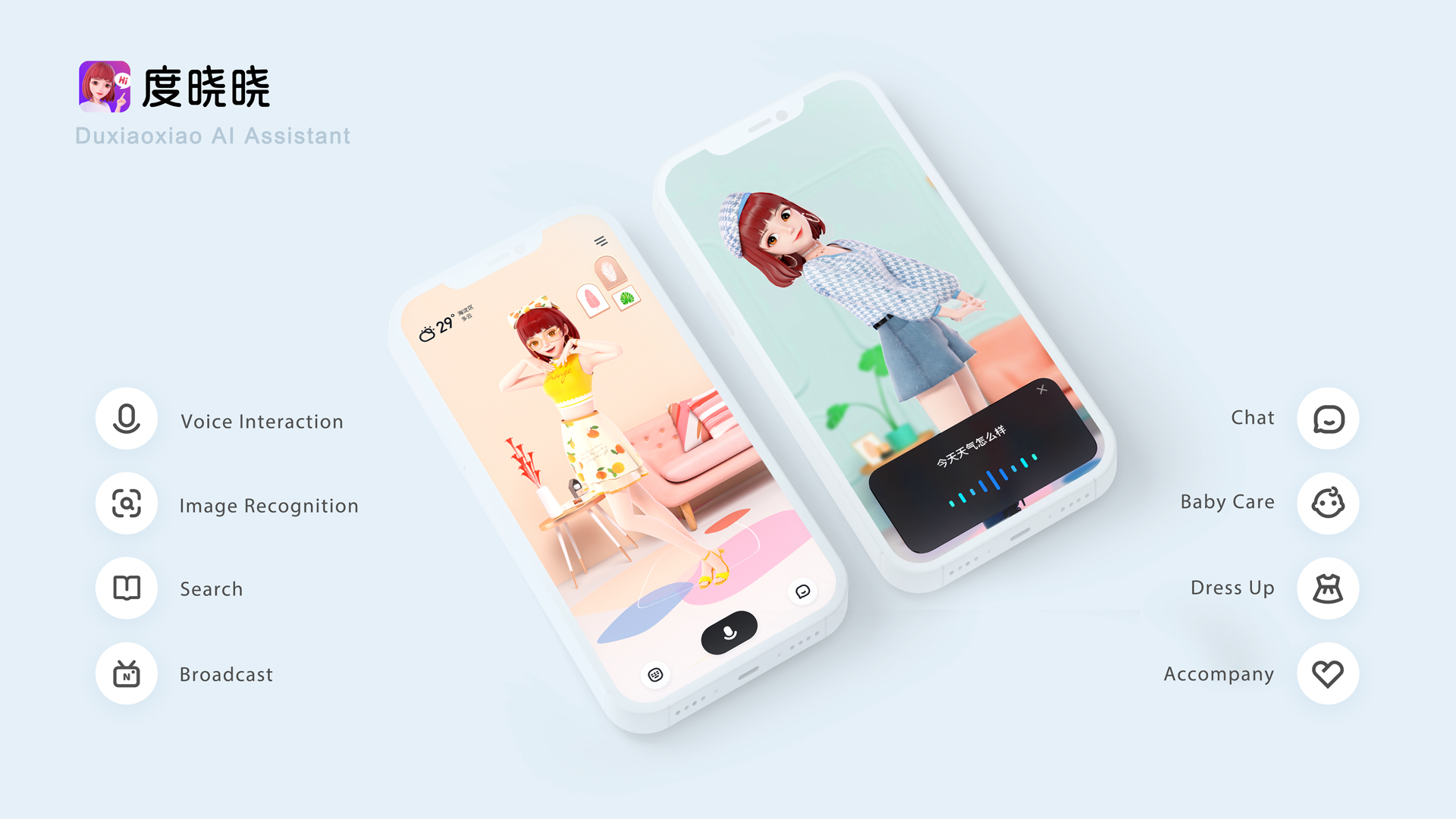
Features
1. Multimodal information access and conversational interaction centered on Duxiaoxiao
Users could speak directly with the Duxiaoxiao character for conversation and information queries. Based on intent recognition, Duxiaoxiao responded in different modes. During the interaction, her lip sync, facial expressions, and body motion provided synchronized feedback, creating a face-to-face-style communication experience.
2. Memory and growth features designed around a sense of companionship
Duxiaoxiao had memory capabilities and could provide more personalized conversations. Users could, of course, access and delete these memories at any time. User interactions with Duxiaoxiao also increased her experience points, which unlocked more outfits, props, and gamified features. These mechanisms encouraged users to interact with her more often. All of these features served one goal: helping users build a sense of companionship with Duxiaoxiao.
3. Knowledge-learning features for children
Duxiaoxiao's character was designed to feel approachable. At the same time, NLP technology at the time was relatively stable for retrieving fixed knowledge. We therefore believed children's learning was a direction worth trying. We built dedicated features for children, including learning Chinese characters and recognizing objects.
Results
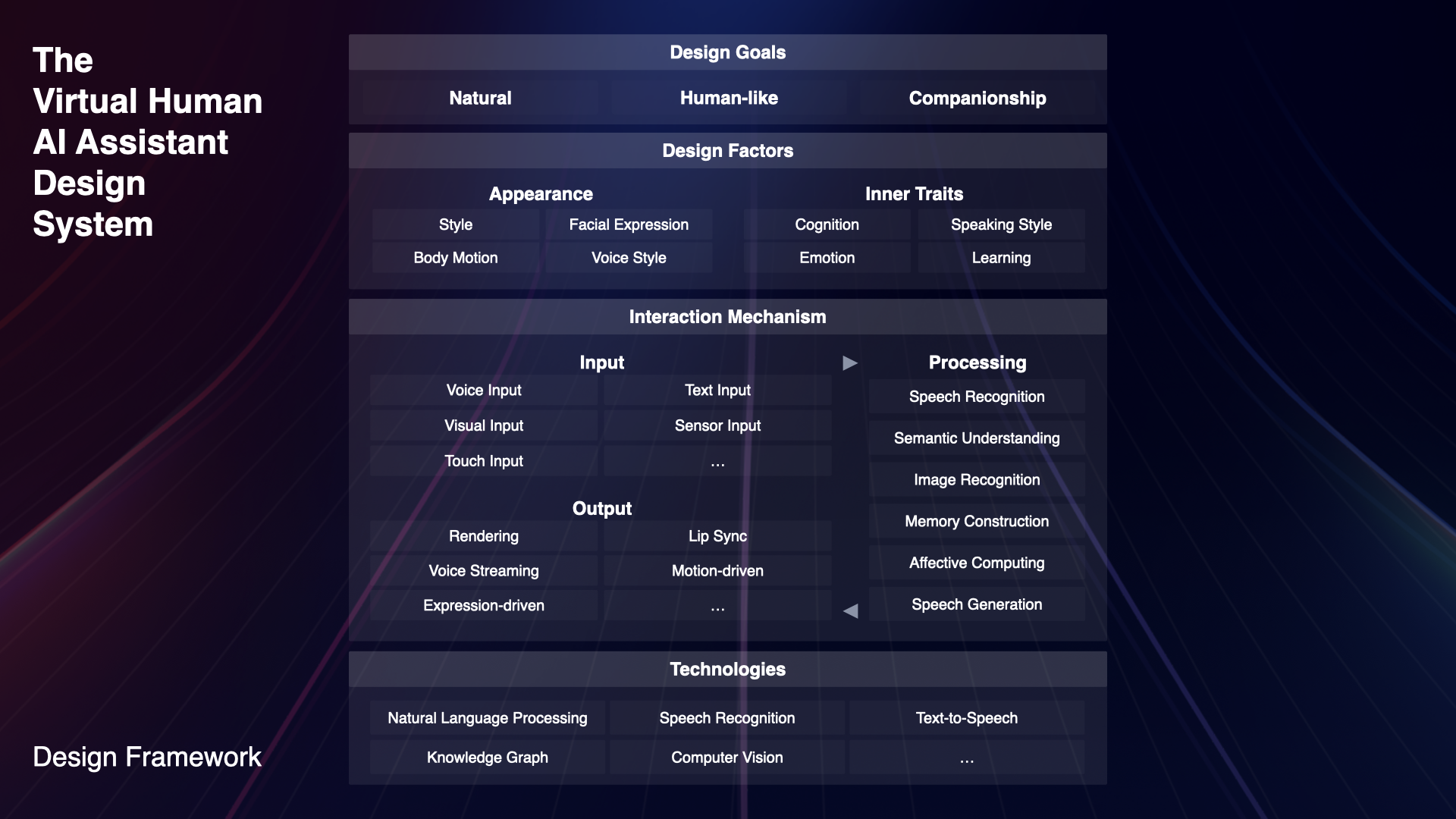
Within six months of launch, the Duxiaoxiao App accumulated hundreds of thousands of users and tens of thousands of daily active users. We validated multimodal virtual human interaction and established a reusable AI virtual human assistant design system, including a design framework and mobile interaction model.
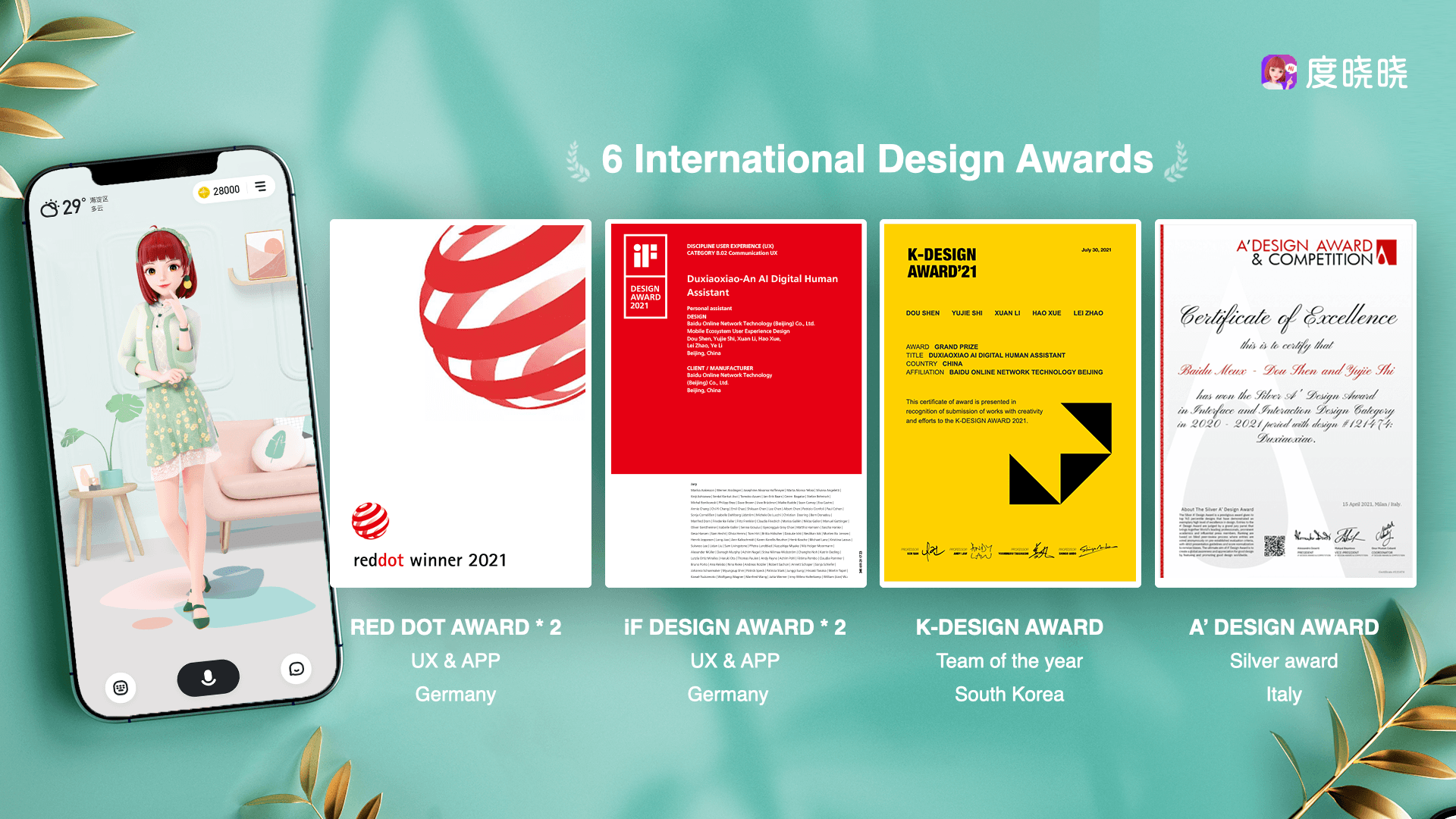
The innovative experience also helped Duxiaoxiao win six international design awards. More importantly, we learned about user acceptance of AI virtual human assistants and their emerging usage patterns, which prepared us for bringing the AI virtual human assistant into Baidu App.
The following video provides a full walkthrough of the Duxiaoxiao App.
Duxiaoxiao App feature walkthrough
Duxiaoxiao in Baidu App
Validating value with a large-scale user base
In 2021, we integrated Duxiaoxiao into Baidu App, Baidu's flagship mobile product, and validated the value of an AI virtual human assistant with a user base at the scale of hundreds of millions.
Features
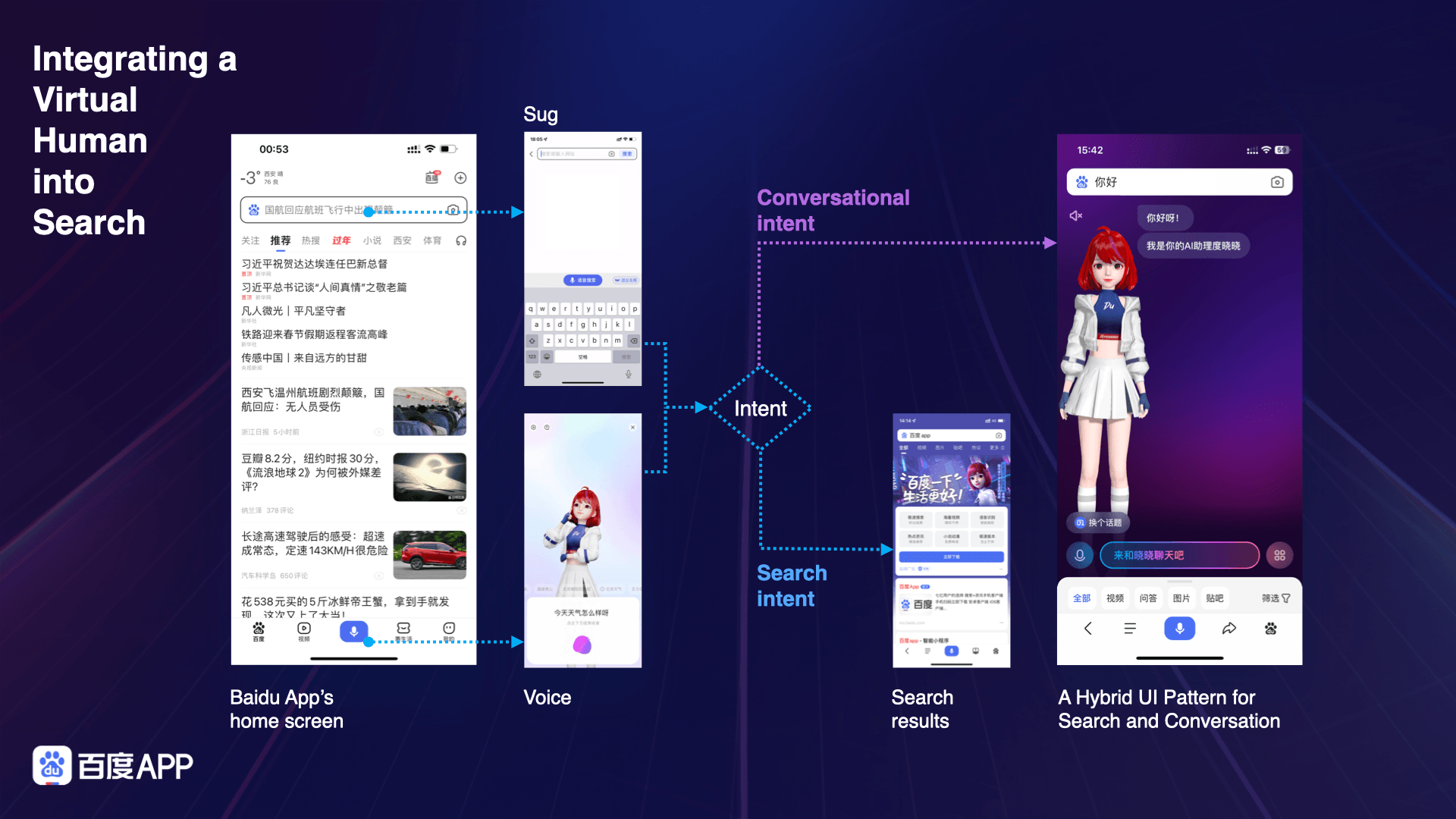
1. Upgrading Baidu App's original voice search into virtual human conversational search
When users tapped the voice button in the center of the bottom navigation on the Baidu App homepage, they would see Duxiaoxiao listening to their speech. The system identified the intent behind the voice input. Queries with search intent entered the traditional browser-style search framework, while queries with conversational intent entered an integrated framework that allowed users to switch flexibly between the virtual human and traditional search. This design blended virtual human interaction with traditional search without adding complexity. It allowed users to find the AI virtual human assistant quickly, while preserving the familiar voice-to-search flow for users who still expected traditional search.
2. A more approachable AI customer service experience
Customer service was a strong fit for Duxiaoxiao. Her friendly character made the support experience feel more approachable and human. After we added Duxiaoxiao on top of the existing customer service experience, user satisfaction with customer service improved immediately.
3. In-product campaign spokesperson inside Baidu App
Running event-based campaigns and commercial marketing programs inside an app is a standard pattern in the Chinese app market. Duxiaoxiao became the character spokesperson for many Baidu App campaigns and introduced new forms of engagement. For example, during the Gaokao campaign, tied to China's national college entrance exam, Duxiaoxiao was not only the campaign spokesperson; she could also write Gaokao essays and provide guidance on university selection. During the period when the metaverse concept was highly popular, these capabilities made the campaigns more engaging.
Results
By the end of 2022, Duxiaoxiao had accumulated tens of millions of users and billions of conversations inside Baidu App, with peak daily active users approaching one million. Voice search with a virtual human character also showed a significant increase in usage frequency.
At the same time, the Duxiaoxiao AI assistant helped the company accumulate first-hand data and insights on AI interaction. For example, we observed that users' interactions with Duxiaoxiao were more often driven by companionship needs than by tool or productivity needs. This was partly because AI assistants at the time still had limited tool-use and task-execution capabilities. But the emotional dependence some users showed toward an AI character revealed two things at once: the potential of AI companionship, and the need to think seriously about what the relationship between humans and AI should become.
Duxiaoxiao as a Virtual Idol
Supporting Baidu's brand and generating revenue
From 2020 to 2022, the metaverse boom in China made AI virtual humans a natural focus of market attention. At the same time, Baidu needed a younger-facing brand symbol to make the brand feel more current and approachable. These factors drove Baidu to use Duxiaoxiao as a virtual idol, meaning a character-based brand and entertainment asset, for brand endorsement and cross-brand marketing partnerships. To present Duxiaoxiao more effectively, the design team continuously improved the visual quality, production fidelity, and expressive range of her character, while building a comprehensive foundational 3D asset library to support efficient 3D workflows across different use cases. Over more than two years, Duxiaoxiao supported billions of Baidu brand impressions and RMB 100M-level commercial revenue.
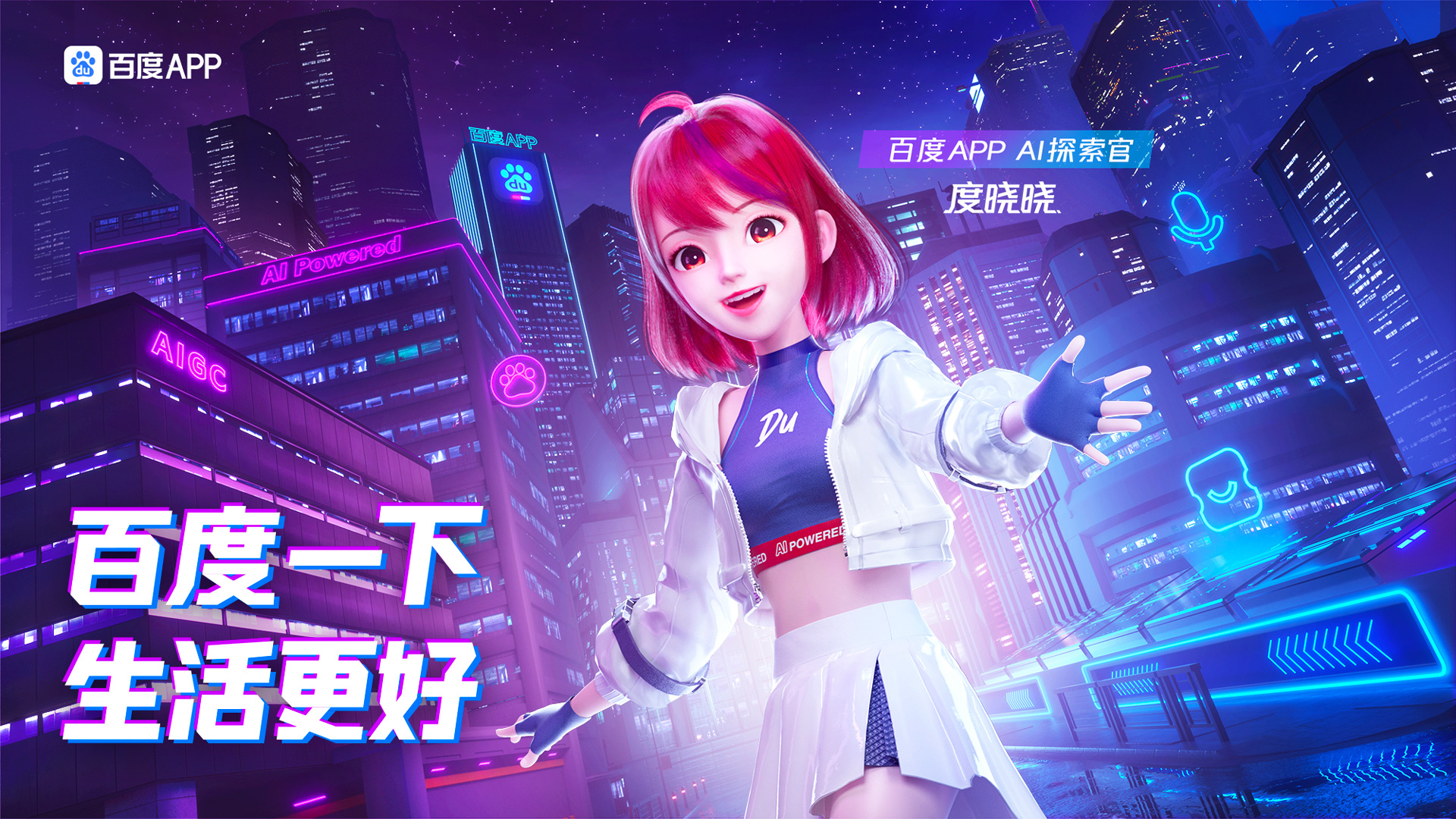
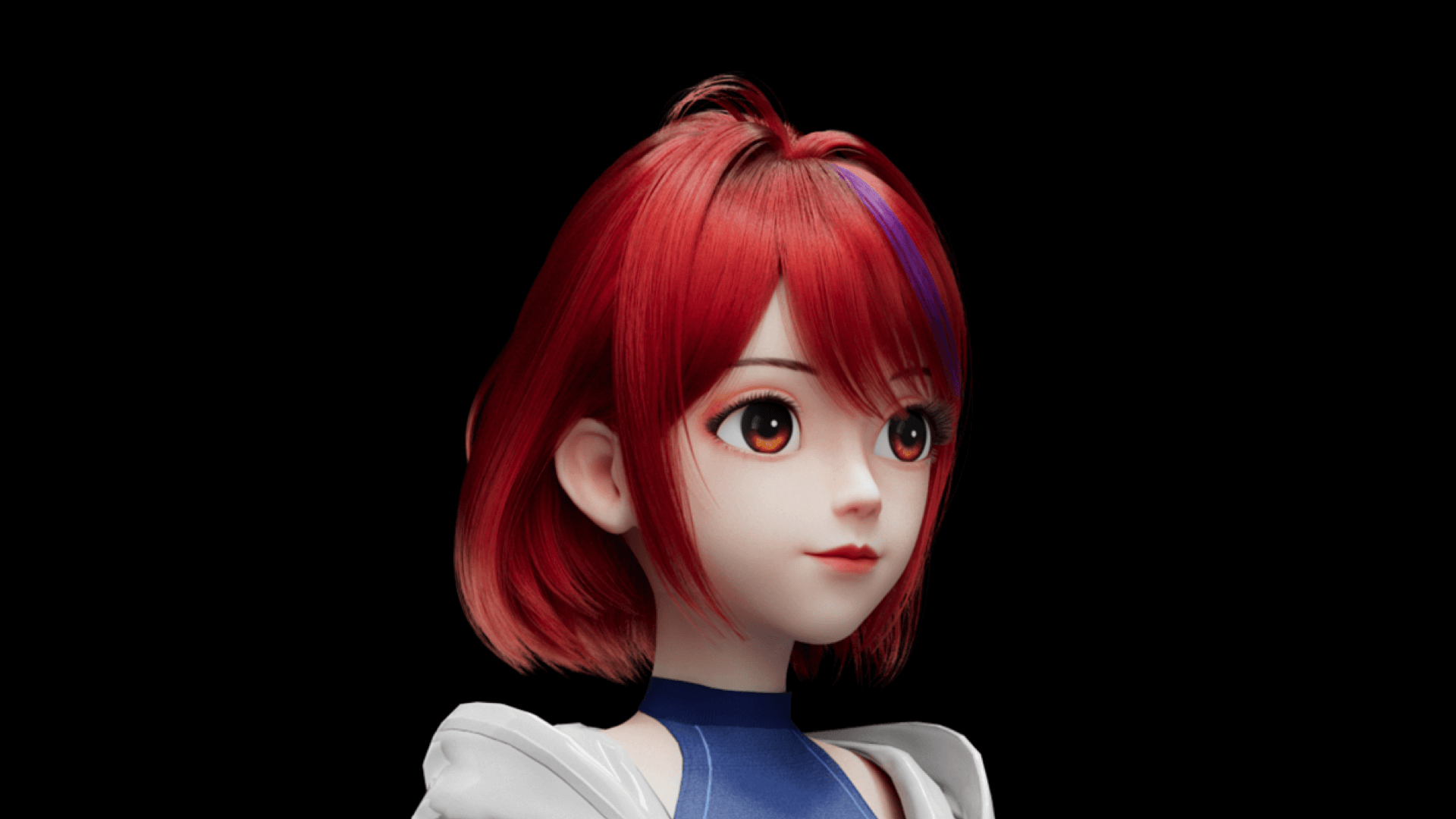
The following are several brand and cross-industry marketing examples:
Reflection
Duxiaoxiao was no longer actively maintained after early 2023, and the Duxiaoxiao team shifted toward exploring LLM + search. I believe this was a very reasonable choice for three reasons.
1. AI companionship was not Baidu's focus
Through the team's exploration, we validated that the value virtual humans added to AI interaction was largely emotionally expressive companionship. This need is real and has a market. However, Baidu was more focused on utility-driven AI and efficiency-oriented use cases. At the same time, the uncertainty around market size, business model, and ethical risk in AI companionship made it hard to justify continued investment.
2. The product could not reach a strong enough aha moment
From the beginning, we knew conversational technology had limitations, but we hoped that adding a virtual human might create a different kind of product chemistry. In the end, however, the combined experience still did not make the AI feel impressive enough to users.
More specifically, conversational AI at the time struggled to generalize beyond predefined scenarios. It relied heavily on manually designed templates and intent-slot structures. It could handle knowledge-oriented requests reasonably well, but performed poorly on multi-turn conversations and ambiguous semantics. It could not make AI conversation feel truly human-like. AI virtual human technology was also still early. Lip-sync driving worked relatively well, but AI still could not reliably drive and coordinate facial expressions, body motion, and emotional expression, and depended more on manual choreography.
At the same time, smartphones were not the best form factor for virtual humans. Virtual human interaction simulates real human-to-human interaction, and a phone confines that interaction to a small screen. VR or AR may be more suitable in the future, but those industries still need further breakthroughs before they can create real adoption pull.
3. The potential of LLMs
The release of ChatGPT in November 2022 brought a step-change in AI conversation quality and showed the industry the potential of LLMs to reshape human-AI interaction. As a result, the Duxiaoxiao team's focus shifted toward LLM + search.
Although Duxiaoxiao was eventually discontinued, I am grateful for the three years I spent with the product. During that time, my perspective expanded significantly. When I had to make design decisions in an unknown domain, I had to learn across adjacent areas, including the relevant technical capabilities, market environment, and production ecosystem. My own scope also expanded: I became better at coordinating resources across different fields and designing from a vision with a more exploratory mindset. Leading the Duxiaoxiao design team helped me grow from a designer into a domain expert. I received some industry recognition and was even invited by the expert network company Dialectica for a virtual human consulting opportunity.
I am grateful for that opportunity and for the people who built it with me.

